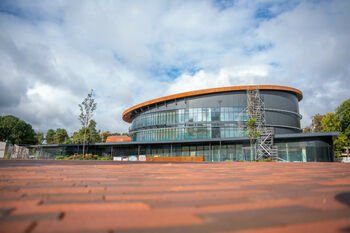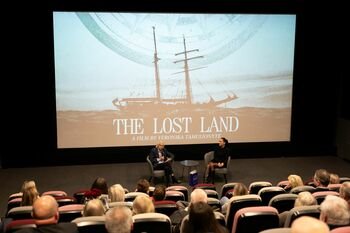
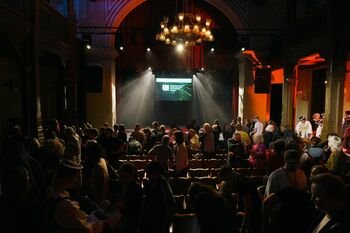
From 7 to 13 July, Vilnius University became an international meeting place for dialogue and collaboration in university theatre. For the first time in the history of the Nordic-Baltic region, it hosted the World Congress of the International University Theatre Association (AITU-IUTA), accompanied by the International University Theatre Festival.
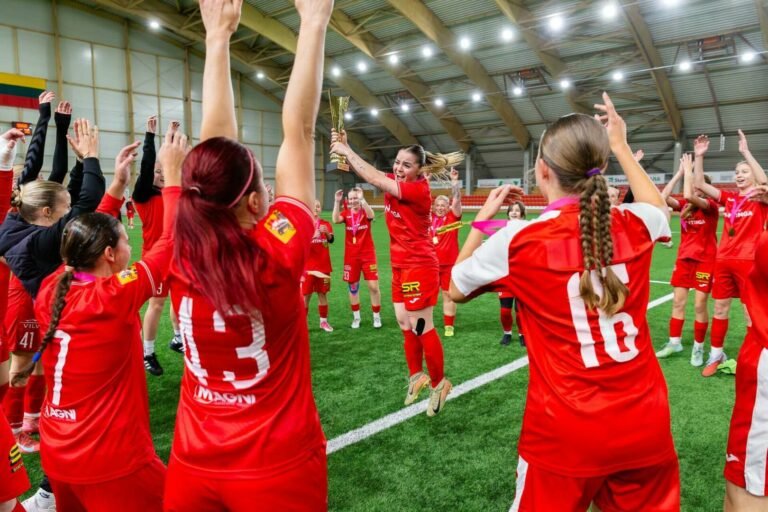
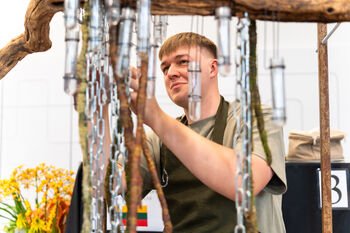
The event brought together around 250 members of the international theatre community from more than 20 countries, including theatre artists, researchers, educators, and students. Over the course of the week, 35 events were held, attracting nearly 3,200 spectators. Sixteen performances were presented by university theatre companies from Lithuania, Ukraine, Italy, Spain, Belgium, Switzerland, Ireland, Costa Rica, and Colombia.
The festival extended beyond traditional theatre venues. On 9 July, the streets of Vilnius Old Town became a stage for a festive theatre parade featuring performers from all participating companies. The large audience turnout throughout the festival demonstrated that university theatre resonates with the wider public as well as academic communities.
Under the theme “University Theatre in the Face of Global Challenges,” the Congress explored how university theatre responds to artificial intelligence, the climate crisis, political instability, and war. According to Chen Zhongwen, director-general of the International Theatre Institute (ITI), university theatre today can no longer be separated from education and research—a perspective reflected throughout the Congress programme, where artistic practice, scholarship, and learning came together as one integrated experience.
“The purpose of theatre in the 16th and 17th centuries was to develop rhetoric, study classical literature, and teach Latin. Today, university theatre has evolved into a space for students’ creative expression and community building,” said Gintė Jokubaitienė, director of the Vilnius University Culture Centre, reflecting on how the role of university theatre has changed over the centuries.
The importance of the university as a place for safeguarding freedom and shared values was also highlighted by Assoc. Prof. Loreta Skurvydaitė, dean of the Faculty of History at Vilnius University. Throughout its more than 445-year history, the Vilnius University community has repeatedly defended truth and freedom—from supporting the Constitution of 3 May 1791 to enduring nearly fifty years of Soviet occupation, which ended only with the restoration of Lithuania’s independence in 1990.
One of the most moving themes of the Congress was theatre created under wartime conditions. Professor Mykhailo Urytskyi of the I. K. Karpenko-Kary Kyiv National University of Theatre, Cinema and Television shared his experience of creating theatre during the war, while students from the university presented the performance Vertep. Hope, developed and rehearsed under the conditions of repeated power outages in Kyiv.
“Over the years, we have learned to live a normal life in abnormal circumstances. We do not forbid ourselves to celebrate. Theatre is a celebration,” said Urytskyi.
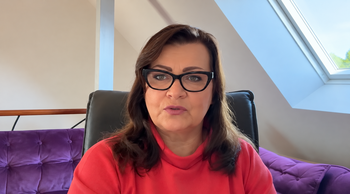
An important milestone of the Congress was the AITU-IUTA General Assembly, during which members discussed the Association’s strategic priorities and future plans. According to AITU-IUTA President Alain Chevalier, this year’s event marks a new chapter for the Association.
“It feels like a rebirth. At Vilnius University, we witnessed the important role the Culture Centre plays and the remarkable support that theatre receives here.”
Chevalier also announced that the host country of the next World Congress, to be held in two years’ time, will be announced later this year. The two current candidates are Mexico and Morocco.
The Congress and Festival were organised by the Vilnius University Culture Centre in cooperation with the International University Theatre Association (AITU-IUTA). The event was held under the patronage of the Lithuanian National Commission for UNESCO and the International Theatre Institute (ITI), with funding provided by the Lithuanian Council for Culture and the State Studies Foundation.
Learn more at www.congress2026.kc.vu.lt Photos: Tomas Laurinavičius, Monika Andrulytė, Matas UleckasArticle prepared by Marija Guseva
About the Author