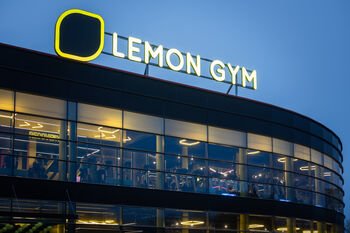
Baltic fitness chain Lemon Gym has secured up to €22 million in private debt financing from funds managed by CVI to support its continued expansion across the Region. The transaction represents one of the largest private debt financing transactions in the Baltic states.
The new financing will enable the company to maintain its rapid growth pace, continue opening new clubs, and upgrades across the existing facilities.
Over the past year, Lemon Gym has opened new clubs in retail and urban locations, including Akropolis shopping centres in Vilnius and Šiauliai, Lake Molas on Raudondvario Road in Kaunas, in the Žalgiris Street business district in Vilnius, and at the new Pikas shopping centre in Vilnius. Further openings are scheduled In the near future, including Link Molėtų shopping centre in Riešė, in Jonava, in Riga’s Ziepniekkalns district, and in Vilnius’ Paupys district, where a new club will be located in the Remark business centre developed by Galio Group. This summer, the company will also invest over €1.5 million in the refurbishment of existing Lemon Gym clubs at the Žalgiris Arena in Kaunas, on Savanorių Avenue, and in the Akropole shopping centre in Riga.
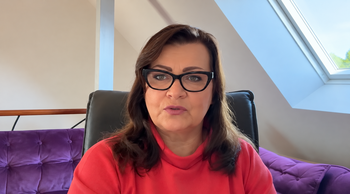
“We are pursuing active expansion – our goal is to reach a network of 40 clubs and more than 110,000 members across the Baltic states by the end of 2027,” says Greta Radzevičienė, CEO of Lemon Gym.
The group currently operates 33 sports clubs across the eight largest cities in the Baltic states and serving approximately 85,000 members. The group generated €26.7 million in revenue in 2025.
Less Treadmills, More Weights, and Community
According to the company’s CEO, Greta Radzevičienė, not only is the scale of the network changing but also the role of the sports club in society.
A decade ago, sports clubs were primarily associated with cardio equipment and individual workouts. Today demand is shifting towards free weights, functional training, group exercise, recovery and the overall member experience.
“We are seeing a very clear shift in age groups as well – fitness is no longer dominated by young people, attendance among older adults is growing rapidly, teenagers are exercising extensively, and we are seeing an increasing number of people who previously would not have considered themselves gym users.” says Greta Radzevičienė.
According to Radzevičienė, sports clubs are becoming places for socialising, relaxation, and leisure, as well as physical activity.
“Globally, there is growing discussion about a loneliness epidemic, particularly among younger generations. For many people, the sports club is becoming a routine, a community, and a social ritual. For some, it is becoming an alternative to traditional leisure venues – a place where you not only exercise but also meet people. At the same time, more and more people see sport as an investment in health and a way to delay health problems. In a certain sense, sports clubs today are also becoming part of the preventative healthcare infrastructure,” states the CEO.
Preventative Healthcare Becomes an Investment Theme
Industry participants note that the Baltic health and fitness market still has significant growth potential. Gym penetration across the Baltics is estimated at approximately 8-9% of the population, compared to approximately 12-14% in Western Europe, and it is set to rise further.
“People increasingly recognise that exercise is not merely a short-term motivation ahead of the summer. It is a long-term investment in health, mobility, longevity, and quality of life. This is precisely why we see strong potential in this sector,” says Radoslav Tausinger, Partner at CVI.
“We are pleased to continue our partnership with Lemon Gym by providing €22 million in private debt financing, which aligns with our strategy to support leading mid-market companies in Central and Eastern Europe. This transaction reflects our strategy of providing flexible financing solutions that help companies grow and consolidate the market,” says Artūras Vilkas, Head of Baltics at CVI.
Institutional investor interest in the sector indicates a broader shift – wellness infrastructure in the Baltic states is increasingly regarded as a long-term investment focus, while sports clubs are becoming not only a consumer service but also part of the infrastructure for a healthier society. Headquartered in Warsaw, CVI is the largest private debt investor in Central and Eastern Europe. Established in 2012, CVI currently manages over €1.1 billion in assets and has completed more than 750 financing transactions.
About the Author